Sustainable Plant Care Tips for Eco-Friendly Homes
- Sara L-T
- 45 minutes ago
- 4 min read
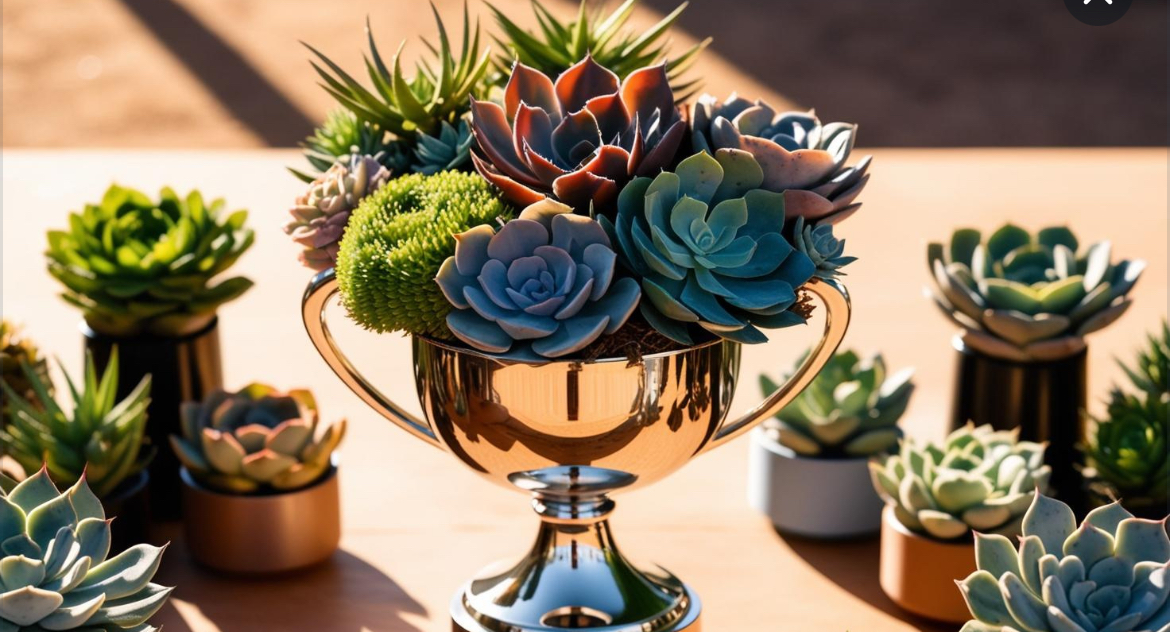
Creating a sustainable home is not just about energy-efficient appliances or recycling. It extends to the plants we choose to nurture within our living spaces. Plants not only beautify our homes but also improve air quality and contribute to our overall well-being. In this blog post, we will explore practical and sustainable plant care tips that will help you maintain a thriving indoor garden while being kind to the environment.

Understanding Sustainable Plant Care
Sustainable plant care involves practices that minimize environmental impact while promoting healthy plant growth. This means using organic methods, conserving water, and choosing plants that are suited to your local climate. By adopting these practices, you can create a green sanctuary in your home that benefits both you and the planet.
Choosing the Right Plants
Selecting plants that are native to your region is a great starting point for sustainable plant care. Native plants are adapted to the local climate and soil conditions, requiring less water and fewer resources to thrive. Here are some tips for choosing the right plants:
Research Native Species: Look for plants that are indigenous to your area. They are often more resilient and require less maintenance.
Consider Indoor Air Quality: Some plants, like snake plants and peace lilies, are known for their air-purifying qualities. Incorporating these into your home can enhance your indoor environment.
Opt for Low-Maintenance Varieties: If you’re new to plant care, consider starting with low-maintenance plants such as succulents or pothos. They are forgiving and can thrive in various conditions.
Sustainable Soil Practices
The foundation of healthy plants is quality soil. Here are some sustainable practices to consider when caring for your plants:
Use Organic Soil: Choose organic potting mixes that are free from synthetic fertilizers and pesticides. This not only benefits your plants but also the environment.
Compost: Create your own compost from kitchen scraps and yard waste. This enriches the soil and reduces waste sent to landfills.
Mulching: Apply a layer of organic mulch around your plants to retain moisture, suppress weeds, and improve soil health.
Watering Wisely
Water conservation is a crucial aspect of sustainable plant care. Here are some effective strategies:
Check Soil Moisture: Before watering, check the soil moisture level. Overwatering can harm plants and waste water.
Use Rainwater: Collect rainwater in barrels to use for watering your plants. This reduces reliance on municipal water supplies.
Water Early or Late: Water your plants during the cooler parts of the day to minimize evaporation.
Natural Pest Control
Pests can be a challenge for plant care, but there are sustainable ways to manage them without resorting to harmful chemicals:
Encourage Beneficial Insects: Ladybugs and lacewings are natural predators of common pests. Planting flowers that attract these beneficial insects can help keep your plants healthy.
Use Homemade Remedies: Create natural pest repellents using ingredients like neem oil or soap. These are effective and less harmful to the environment.
Practice Companion Planting: Some plants can deter pests when grown together. For example, marigolds can help keep aphids away from vegetables.
Fertilizing Sustainably
Fertilizing is essential for plant health, but it can also have environmental impacts. Here are some sustainable fertilizing tips:
Use Organic Fertilizers: Choose organic options like compost tea or fish emulsion. These provide nutrients without the negative effects of synthetic fertilizers.
Feed Sparingly: Over-fertilizing can harm plants and lead to nutrient runoff. Follow recommended guidelines for your specific plants.
Rotate Fertilizers: Different plants have varying nutrient needs. Rotate your fertilizers based on the plants you are growing to ensure balanced nutrition.
Creating a Sustainable Indoor Environment
Your indoor environment plays a significant role in plant health. Here are some tips to create a sustainable space for your plants:
Maximize Natural Light: Position your plants near windows to take advantage of natural sunlight. This reduces the need for artificial lighting.
Maintain Humidity: Many houseplants thrive in humid conditions. Use a humidifier or place a tray of water near your plants to increase humidity levels.
Avoid Chemical Cleaners: Use natural cleaning products to maintain your home. Chemical cleaners can harm your plants and the environment.
Engaging with Your Plants
Taking care of plants is not just about maintenance; it’s also about building a connection with them. Here are some ways to engage with your plants:
Observe Growth: Spend time observing your plants. Notice how they respond to changes in light, water, and temperature.
Talk to Your Plants: While it may sound quirky, talking to your plants can enhance your bond with them. Some studies suggest that plants may respond positively to sound vibrations.
Document Progress: Keep a journal of your plant care journey. Documenting growth and changes can help you learn and improve your plant care skills.
Sustainable Plant Decor Ideas
Incorporating plants into your home decor can enhance your living space while promoting sustainability. Here are some creative ideas:
Vertical Gardens: Use wall-mounted planters to create a vertical garden. This saves space and adds a unique aesthetic to your home.
Repurposed Containers: Get creative with containers by repurposing items like old jars, tin cans, or wooden crates. This reduces waste and adds character to your decor.
Hanging Plants: Use macramé hangers to display plants in the air. This not only saves space but also creates a visually appealing display.
Community and Plant Care
Engaging with your community can enhance your sustainable plant care journey. Here are some ways to connect with others:
Join Local Gardening Groups: Participate in local gardening clubs or online forums to share tips and experiences with fellow plant enthusiasts.
Attend Workshops: Look for workshops on sustainable gardening practices. These can provide valuable insights and hands-on experience.
Share Plants: Consider participating in plant swaps with friends or neighbors. This is a great way to diversify your plant collection sustainably.
Conclusion
Sustainable plant care is a rewarding journey that benefits both your home and the environment. By choosing the right plants, practicing wise watering techniques, and engaging with your plants, you can create a thriving indoor garden that reflects your commitment to sustainability. Remember, every small step counts. Start implementing these tips today and watch your eco-friendly home flourish.
By adopting these sustainable practices, you not only enhance your living space but also contribute to a healthier planet. So, gather your gardening tools, choose your plants wisely, and embark on this green journey with confidence!


Comments